Ingredient 1 of 6
Magnesium Glycinate in Flow Nerves: What Public Sources Say
Magnesium glycinate is the first ingredient named for Flow Nerves, and no milligram amount is printed for it. NIH sources give an upper level for supplement magnesium, warn about poor kidney function and list medicines that interact. None of them tests this form for tingling or numbness, and no study tested the product.
Written by the Flow Nerves label deskUpdated
What it is
What is magnesium glycinate, and why is it in Flow Nerves?
Magnesium glycinate is magnesium bound to glycine, an amino acid. It is the first of the six ingredients the sales page names, in the order magnesium glycinate, alpha-lipoic acid, butcher's broom root extract, L-carnitine, turmeric extract and coenzyme Q10.
The sales page puts all six in one proprietary blend and prints no milligram amount for any of them. So a reader cannot tell how much magnesium a capsule holds, or how it compares with a food or a store-bought tablet. We keep to what public sources say about magnesium and marks every place where they say nothing about the glycinate form. The full list sits on our ingredients page.
Magnesium is a mineral the body needs, and food supplies much of it. A magnesium glycinate supplement is one way to add more. Whether you need more is a question for a clinician who knows your diet, your kidneys and your medicines.

Printed or not
What do we know about magnesium glycinate in this product?
Very little that is specific. We know the name. We do not know the amount, the share of the blend, the maker or the test results.
| Named on the sales page | Yes, first in the ingredient list |
|---|---|
| Amount in milligrams | Not printed on what we saw |
| Daily Value | Not printed on what we saw |
| Share of the blend | Not printed; a blend may list one total only |
| Study of this product | None found |
| Study of the glycinate form in tingling or numbness | None in the sources we read |
A federal labeling rule lets a blend list one total weight instead of an amount per ingredient (21 CFR 101.36 (eCFR), Supplement Facts and proprietary blends). That is why the gap is legal. It is also why we count amounts in our own label scorecard: 7 of 15 items are printed, and the amounts are among the ones that are not. The blend is explained on its own page.
Magnesium glycinate cautions
What are the cautions for a magnesium glycinate supplement?
NIH sets an upper level for magnesium taken as a supplement, says the risk of too much rises with poor kidney function and lists medicines that interact (NIH ODS, Magnesium (health professional fact sheet)). These points apply to magnesium in general. No source we read singles out the glycinate form.
Upper level
The NIH fact sheet gives 350 mg a day as the upper intake level for magnesium from supplements, for ages 9 and up, pregnancy and breastfeeding included. It does not count magnesium from food. We cannot say how a Flow Nerves capsule compares, because no amount is printed.
Kidneys
The same source says the risk of toxicity rises when kidney function is poor. Anyone with a kidney problem should ask a doctor before adding a magnesium supplement of any kind.
Stomach effects
High supplement amounts commonly cause diarrhea, nausea and cramping. Very high amounts can cause low blood pressure, an irregular heartbeat and cardiac arrest. Those are amounts far above what a label normally lists.
Chest pain, a fainting spell or a very slow or irregular heartbeat is not a matter for a supplement or a web page. Seek urgent medical care.
Medicines
Which medicines can interact with magnesium?
The NIH fact sheet names five groups. Show the ingredient list to your pharmacist and keep taking any prescribed medicine until a clinician says otherwise.
| Medicine group | What the source says |
|---|---|
| Bisphosphonates | Magnesium can lower absorption; the source advises spacing doses at least 2 hours apart. |
| Tetracycline and quinolone antibiotics | Take the antibiotic at least 2 hours before, or 4 to 6 hours after, magnesium. |
| Loop and thiazide diuretics | These raise the amount of magnesium the body loses. |
| Potassium-sparing diuretics | These lower magnesium loss. |
| Long-term acid reducers (proton pump inhibitors) | These can lower magnesium levels. |
Spacing doses is advice for a clinician to set, not for you to improvise from a table. The FDA also says that mixing medicines and supplements can be risky, and that natural does not mean safe (FDA, Mixing Medications and Dietary Supplements Can Endanger Your Health). Our fuller list is on the medicine interactions page, and side effects covers what people report.
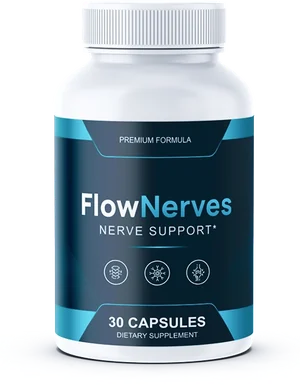
Flow Nerves: capsules, 30 per bottle2, 3 or 6 bottles · 60-day promise, confirm at checkout
See packsEvidence
Does any study link magnesium glycinate to tingling or numbness?
Not in the sources we read. They describe magnesium shortage, not a supplement result, and nothing they say was tested on Flow Nerves.
The NIH fact sheet lists numbness, tingling and cramps among the signs of a magnesium deficiency. That tells you a shortage can cause symptoms. It does not tell you that a capsule taken by someone with normal levels will change them. Tingling in the hands and feet has many causes, and public sources list diabetes, vitamin B12 shortage, kidney disease, thyroid disease, alcohol and some medicines among them (NINDS, Peripheral Neuropathy). A clinician sorts these out with blood tests, which a supplement cannot replace.
The National Center for Complementary and Integrative Health says some evidence suggests magnesium might lower how often migraines happen, and calls that evidence small (NCCIH, Chronic Pain and Complementary Health Approaches: Usefulness and Safety). It is not a finding about tingling, numbness or any condition Flow Nerves names.
We hold no review that covers magnesium for neuropathy. So the honest summary is short: a known mineral, with cautions we can cite, in a product with no printed amount and no trial.
Before you buy
What should you check before taking magnesium glycinate in a blend?
Four checks take a few minutes and need no lab. Do them before the first capsule, not after a bad week.
List what else contains magnesium
Multivitamins, antacids, laxatives and other supplements can add magnesium. A blend with no printed amount makes the total impossible to add up, so count the other products first.
Check your kidneys and your medicines
If you have a kidney condition, or take any medicine in the table above, ask your doctor or pharmacist first. Bring the sales-page ingredient list.
Ask what the tingling is
If you are taking a supplement because of numbness or tingling, get the cause checked. See peripheral neuropathy basics for what clinicians look for.
Read the bottle that arrives
Your own bottle's directions come first. The sales-page FAQ says one capsule daily with a meal and a full glass of water; see how to take it.
Orders go through the sales page: Order Flow Nerves. This site earns money from those links, and the price, shipping and guarantee should be confirmed at checkout.
FAQ
Flow Nerves questions people ask
What is magnesium glycinate?
It is magnesium bound to the amino acid glycine, sold as a supplement. Flow Nerves names it first among six ingredients. No amount is printed for it, and the sources we read do not discuss the glycinate form on its own.
How much magnesium glycinate is in Flow Nerves?
We do not know. The sales page prints no milligram amount for any ingredient, and it lists them inside a proprietary blend. We never guess an amount and cannot compare it with any study or limit.
Is there an upper limit for a magnesium glycinate supplement?
NIH gives 350 mg a day as the upper intake level for magnesium from supplements, for ages 9 and up. That limit covers supplement magnesium, not food. Because Flow Nerves prints no amount, you cannot check it against the limit.
What are the magnesium glycinate cautions?
Poor kidney function raises the risk of too much magnesium, and high supplement amounts commonly cause diarrhea, nausea and cramping. Some antibiotics, bisphosphonates, diuretics and acid reducers interact. Ask a pharmacist and keep taking prescribed medicine.
Does magnesium glycinate help with tingling or numbness?
No source we read says so. NIH links low magnesium to numbness and tingling, which is a shortage, not a supplement result. Tingling has many causes, so a clinician should check it. No study tested Flow Nerves.
Can I take Flow Nerves with my medicines?
No source says it is safe for you. Some medicines interact with magnesium, and other ingredients in the blend carry their own cautions. Show the ingredient list to your pharmacist or doctor first.
Is magnesium glycinate the same as other magnesium forms?
Not necessarily. NIH describes several forms of magnesium, and its fact sheet does not mention glycinate by name. We found no source that compares forms, so we make no claim about absorption.
Who wrote this
Written and reviewed by
Pages built from the sales page and linked NIH, CDC, FDA, FTC and peer-reviewed sources.
Last updated . Read our editorial standards and how we check reviews. This website is the information site of a U.S. retail partner for Flow Nerves. It is not the manufacturer, and it is not the sales page where orders are placed. We earn money when you buy through our order links.
Keep reading
More about Flow Nerves
U.S. retail partner
Ready to try Flow Nerves?
Read the ingredient list, check with your pharmacist if you take any medicine, then pick a pack. Every pack comes with a 60-day satisfaction promise; confirm the live policy at checkout.
- Order on the sales page
- 60-day promise (confirm)
- Shipping shown at checkout